 EN
EN
 Nederlands
 Français
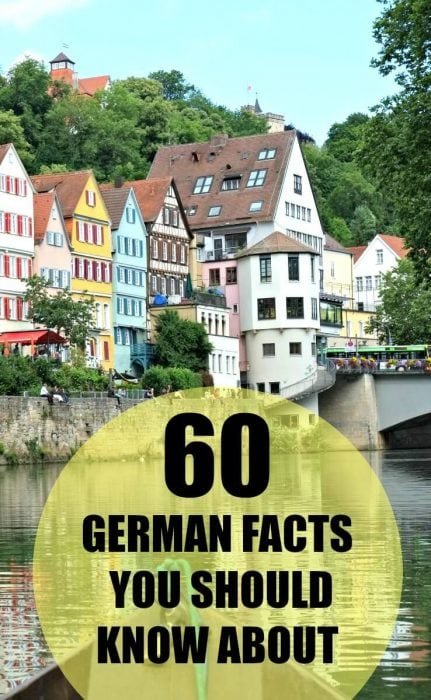
What is Germany known for? Or better, what should it be known for? With so many interesting facts about Germany, which will come in handy at a party or a quiz? I’ve searched the interwebs for you and found these 60 German facts.
60 interesting facts about Germany to impress your friends with
This post is part of a series of fun facts posts I’m doing for every country I have articles about here on the blog. Given their nature, these posts are research-based and even though a lot of time has gone into them, it’s still possible a mistake has snuck in. If you see something that looks incorrect, please let me know at wanderer [at] wonderfulwanderings.com and I’ll look into it. Thanks!
1. Germany has a population of 83 million, the largest in Europe.
2. There are tons of interesting historical facts about Germany, but the story behind its national anthem stands out. The melody of Deutschlandlied, the German national anthem, was composed by Austrian musician Joseph Haydn. Its lyrics were based on a poem by Heinrich Hoffmann von Fallersleben. However, since 1952, only the third verse of the song is sung because the first two verses had unfortunate associations with the Nazi era.
3. Germany’s largest city is the country’s current capital, Berlin. Before the reunification, Bonn was the capital of West Germany while East Berlin was the capital of the East.
4. The President is the head of state whose duties are primarily representative and ceremonial. The Federal Chancellor acts as head of government and is in charge of executive duties, and is nominated by the President and elected by the parliament or the Bundestag. The Bundestag is elected by the people.
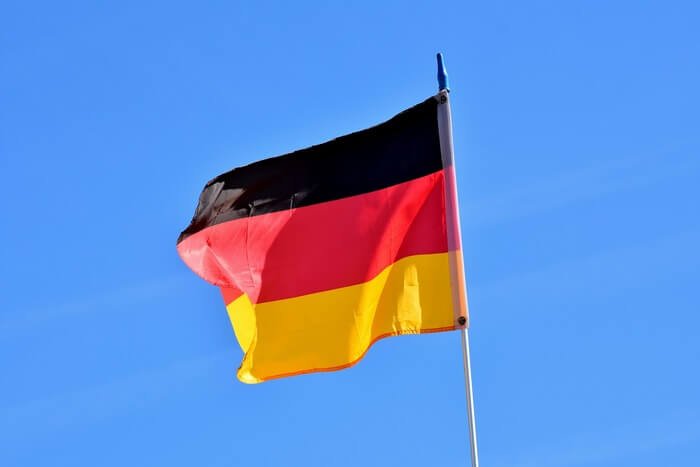
5. The colors of the German flag originated from the banner colors of the Holy Roman Emperor: a black eagle with red claws and a beak set against a gold background.
6. King Heinrich I, the first king of Germany, was crowned in Quedlinburg in 919 A.D. Quedlinburg is now a UNESCO World Heritage site.
7. The most frequently used German surname is Müller.
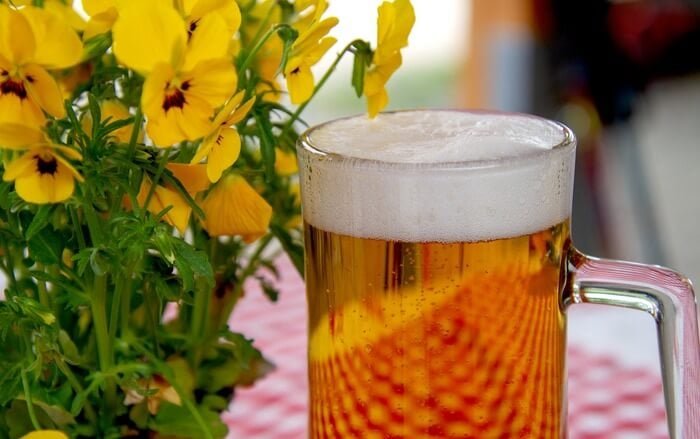
8. Germans are among the biggest beer consumers in the world with an average of 114 liters of beer per person (2014).
9. There are about 1,250 breweries in Germany. About half of these are found in Bavaria, which produces around 40 varieties of beer and more than 4,000 brands.
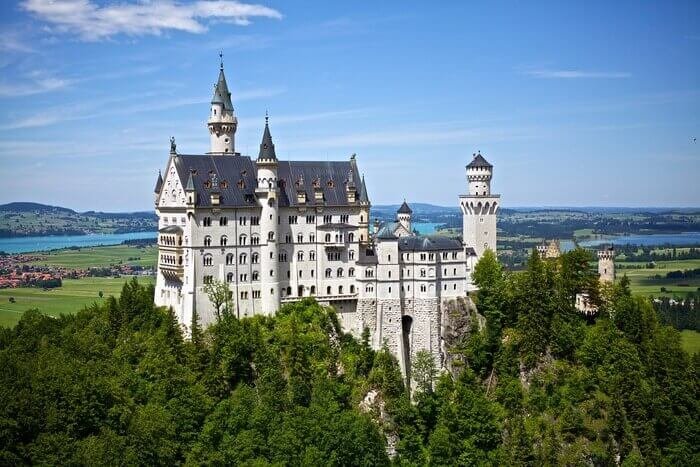
10. The Neuschwanstein Castle was built by “Fairytale King” King Ludwig II of Bavaria in honor of composer Richard Wagner.
11. The Zoologischer Garten in Berlin is the oldest zoo in Germany and the largest in the world. It houses 1,500 species and 19,500 animals (2013).
12. Most of the greatest and influential classical composers originally come from Germany – Bach, Händel, Beethoven, Schumann, Mendelssohn, Brahms, Wagner, R. Strauss.
13. The oldest flute made from bird bone and mammoth ivory is about 40,000 years old and was found in Geissenklösterle Cave in the Swabian Jura region of southern Germany.
14. The chalumeau, a single reed woodwind instrument invented by the German Johann Christoph Denner, is the predecessor of the clarinet.
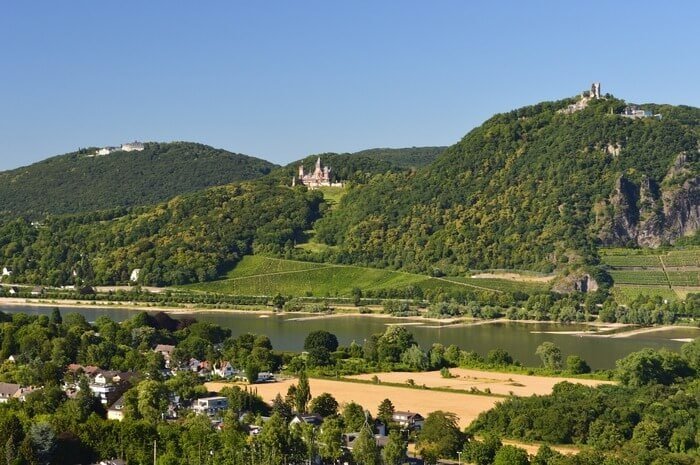
15. In 1836, Drachenfels (Siebengebirge) in North Rhine-Westphalia became the first nature reserve in the world.
16. Germany was the first country to implement Daylight Saving Time (DST) on April 30, 1916, during World War I.
17. The term “ecology” was first used by German zoologist Ernst Haeckel in 1866.
18. Germany ranks third among countries with the highest recycling rate. First is Switzerland, followed by Austria.
19. Johannes Gutenberg invented the printing press. The Gutenberg Bible, one of the rarest and most influential books of all time, was published in Mainz in 1455 and was the first book printed in Western Europe using a movable metal type. You can see the Gutenberg Bible for yourself at the Gutenberg Museum in Mainz.
20. Siemens AG, a multinational conglomerate and the largest engineering company in Europe, had its beginnings with the Siemens & Halske company, which built the world’s first electric tram in 1881 — the Gross-Lichterfelde Tramway.
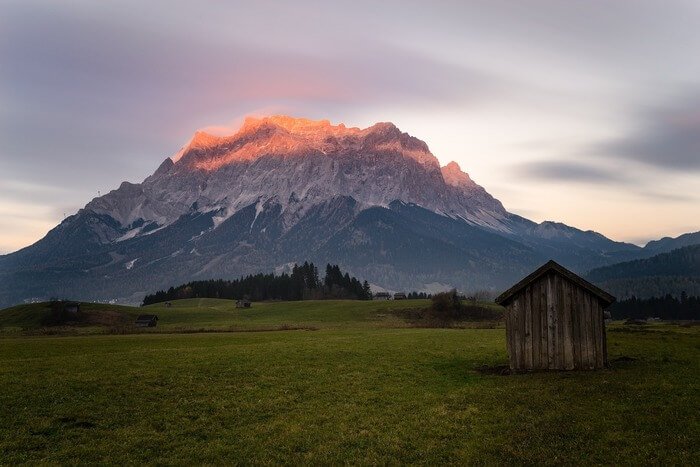
21. The Zugspitze is the country’s highest mountain towering nearly 3 kilometers above sea level.
22. Ulmer Münster (Ulm Minster) is the world’s tallest cathedral with a height of 161.53 meters (530 feet).
23. The longest German word that was ever published is Donaudampfschifffahrtselektrizitätenhauptbetriebswerkbauunterbeamtengesellschaft. It has 79 letters and I’m not even going to attempt to pronounce it.
24. If you have a sweet tooth, you’ll love this bit of trivia about Germany – It was actually a German who invented gummy bears! In 1922, German confectioner and founder of Haribo, Hans Riegel, came up with the idea of creating sweet fruit-gum bears. The little Gummibärchen, as they were called, were tasty and inexpensive treats, which is why they remained popular even during the Great Depression and until today.
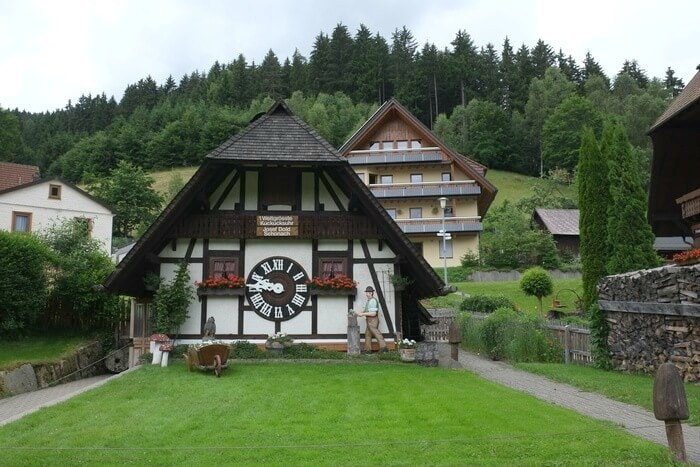
25. Triberg is home to the world’s biggest cuckoo clock with an 8-meter long pendulum.
26. Berlin Hauptbahnhof, Europe’s biggest train station, opened in 2006 in time for the World Cup.
27. The first passenger airline, DELAG (Deutsche Luftschiffahrts-Aktiengesellschaft or German Airship Transport Corporation), was founded on November 16, 1909, in Frankfurt.
28. With an area of 60,000 square meters, KaDeWe (Kaufhaus des Westens) in Berlin is the biggest department store in mainland Europe.
29. Germany remains the largest economy in Europe in 2022.
30. Germany is among the top 5 countries with the most Nobel Prize winners. They have 102 of them, including Albert Einstein.

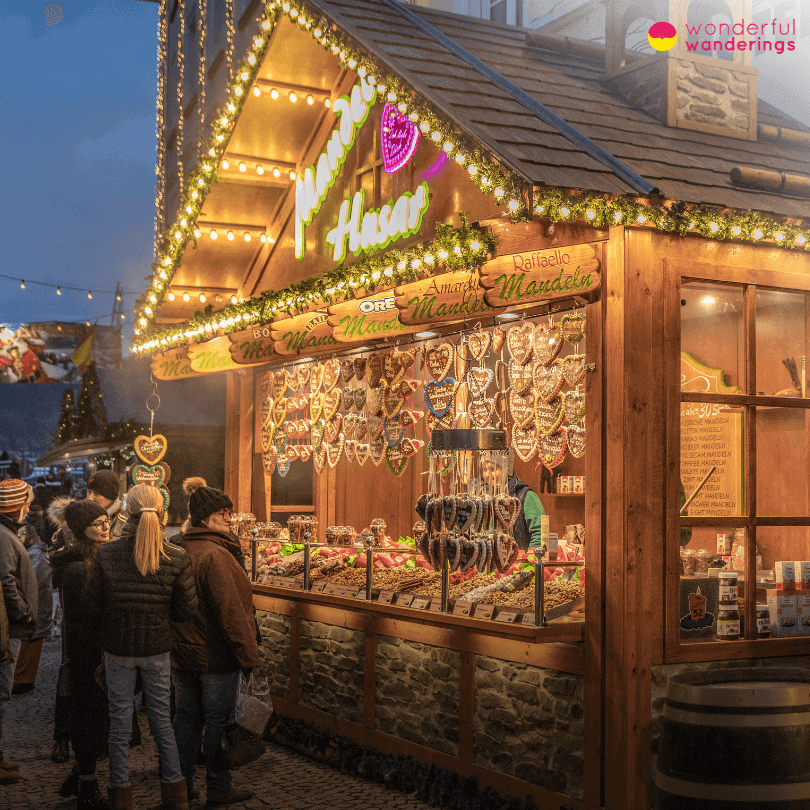
31. Germans eat bread for breakfast, lunch, as a snack, and for supper. There are more than 300 kinds of dark and white bread and over 1,200 varieties of rolls and other baked goods in Germany. They also have bread museums.
32. Football (soccer) is the top amateur and professional sport.
33. Germany is among the world’s largest car manufacturers, and the most popular ones are BMW, Mercedes-Benz, Audi, Porsche, and Volkswagen.
34. The German Federal Highway System or Autobahn stretches up to 11,000 kilometers into most parts of Germany, and there’s no speed limit on 65% of it!
35. German is among the most influential, popular, and widely taught foreign languages in the world. I know, it isn’t fair.

36. There are over 1,500 kinds of wurst (sausages and cold cuts). The major categories are Rohwurst (fresh and raw), Kochwurst (cooked/boiled), Brühwurst (boiled/scalded) and Bratwurst.
37. You don’t have to pay tuition fees in state-funded German universities.
38. One interesting fact about Germany is how green the country is! About a third of Germany is covered by forests.
39. Prostitution is legal in Germany. Disabled citizens even receive a stipend to pay for sex and there are training centers where prostitutes can get a diploma in “qualified sexual accompaniment and assistance” for disabled people.
40. For a marriage to be valid in Germany, it must go through a civil ceremony at a Standesamt (registry office), which costs anywhere from €30 to €75.

41. Schultüte is an old tradition that’s still being practiced. It’s the tradition that a child gets a huge cone filled with candy, treats, and school materials when he or she enters first grade.
42. You must be able to recognize a child’s gender by the first name according to German law. Weird baby names are usually rejected.
43. Here’s one important bit of German trivia to know before you visit. When ordering beer, showing the thumb means one beer; the index finger means two, and so on. This follows the Western European style of finger counting and is handy to know if you plan to go living in Germany.
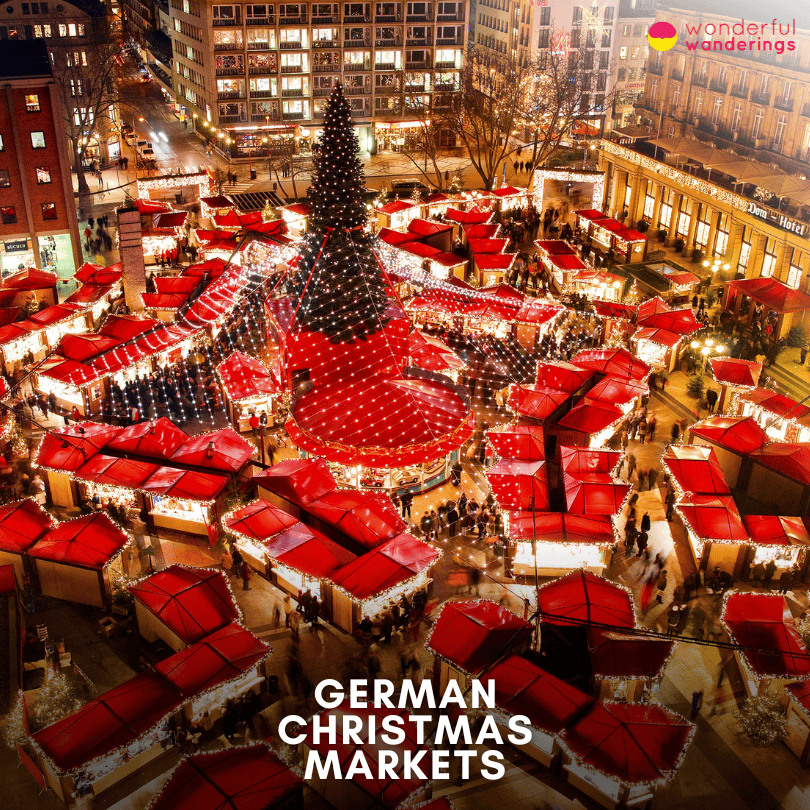
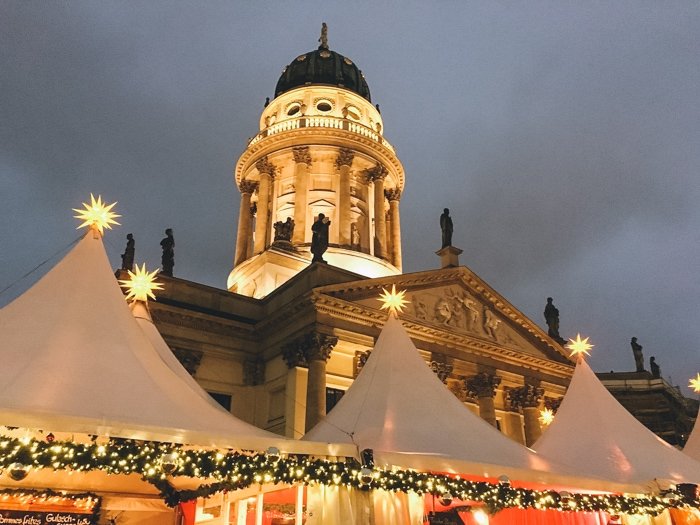
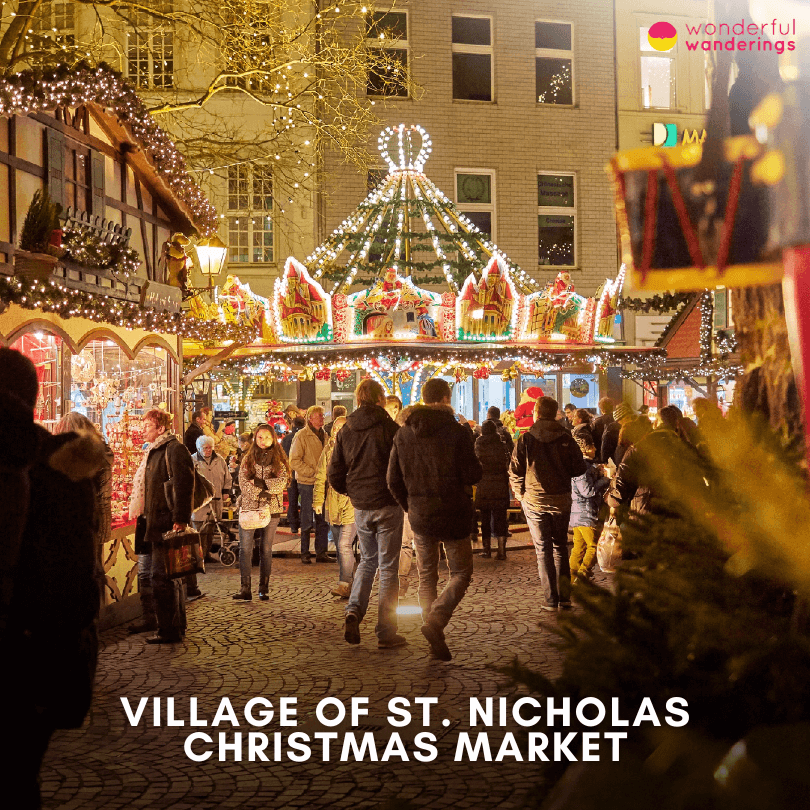
44. The beginning of the Christmas tree (Tannenbaum) tradition is credited to Martin Luther who founded the Protestant Reformation.
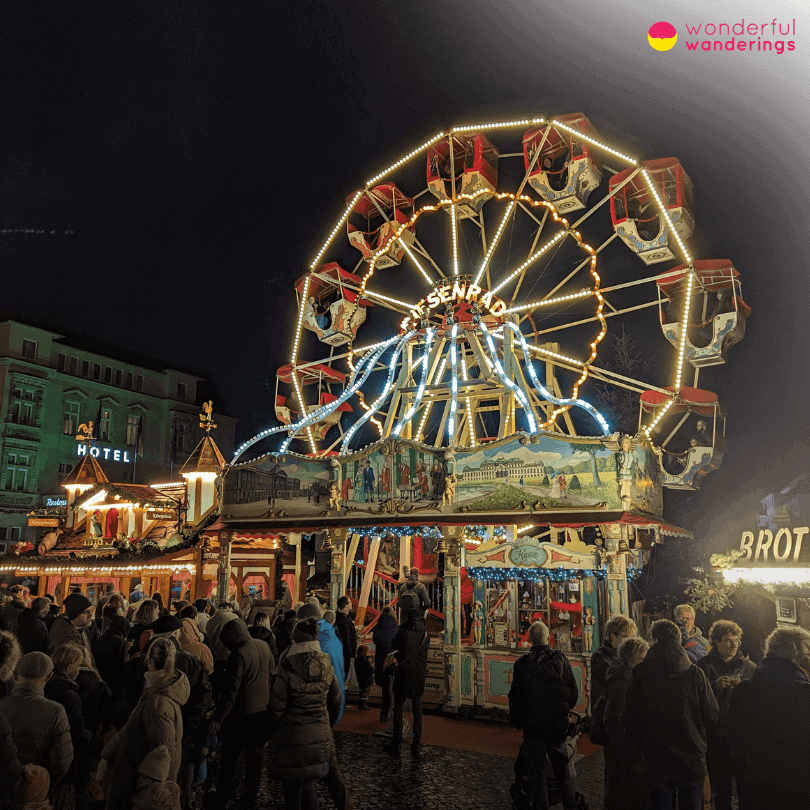
45. Oktoberfest, the largest and most popular festival in the world that actually starts in September, originated from the horse races that culminated in the wedding festivities of King Ludwig I and Princess Therese of Saxony-Hildburghausen in 1810. The horse races were eventually replaced by agricultural shows.
46. Mattel came up with a Barbie doll version of German Chancellor Angela Merkel, on her 50th anniversary.
47. Germany has vowed to close down all its nuclear plants by 2022 to give way to renewable energy sources.
48. The brand of most taxi cabs in Germany is either Mercedes-Benz or Audi.
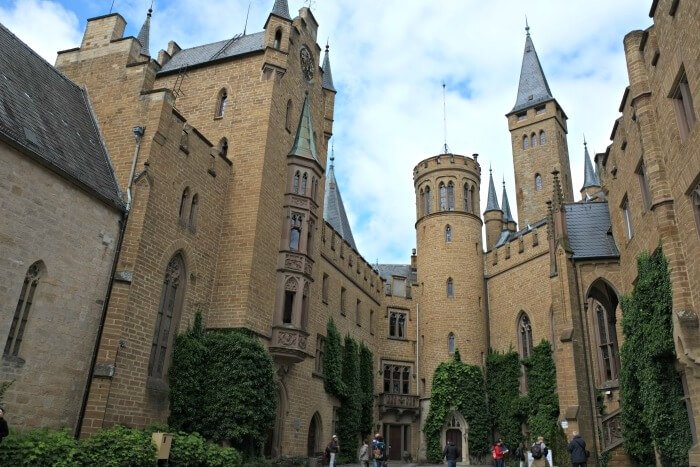
49. There are more than 20,000 (!) castles in Germany.
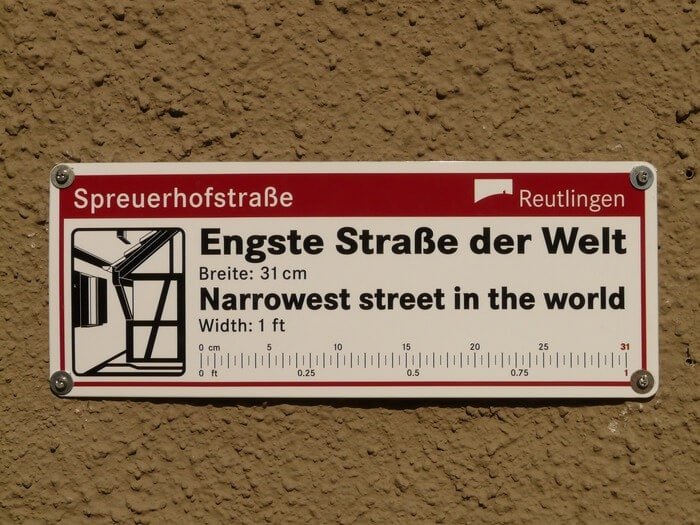
50. The narrowest street in the world, Spreuerhofstraße, can be found in Reutlingen and measures 31 centimeters wide at its narrowest point.
51. The Chancellor’s office in Berlin is referred to as the “washing machine” because of its square shape and round windows.
52. It is not illegal to escape from prison because German law dictates that it is a basic human right to remain free. However, those who assist a prisoner escape won’t go unpunished. (By the way, it’s the same in Belgium!)
53. If you have friends in Germany, you might have heard some random facts about German people. Here’s one – for some reason, Germans watch the 1963 comedy “Dinner for One” on New Year’s Eve.
54. What used to be the longest word –Rindfleischetikettierungsueberwachungsaufgabenuebertragungsgesetz – the name of a law regulating beef testing, was dropped when tests on healthy cattle were no longer needed.
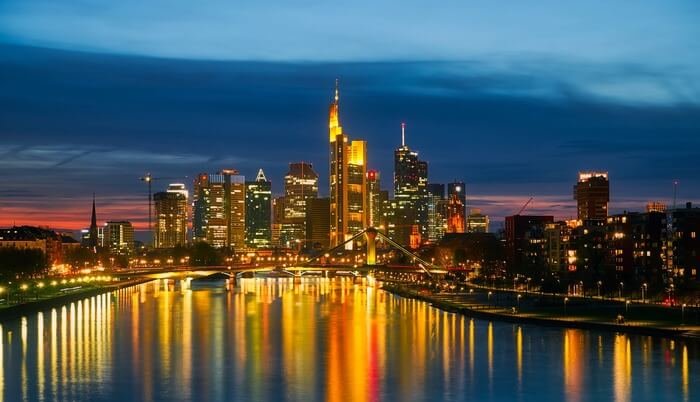
55. Because of its remarkable skyline filled with skyscrapers plus its location by the Main River, Frankfurt was dubbed “Mainhattan” derived from New York’s picturesque Manhattan skyline.
56. Stollen, Germany’s Christmas cake, is filled with dried fruit similar to a fruitcake and flavored with marzipan and other spices with a shape that represents the baby Jesus wrapped in swaddling clothes.
57. The Deutsches Currywurst Museum Berlin is dedicated to the currywurst, a common street food made of hot, crunchy pork sausage cut into chunks topped with a spicy curried ketchup sauce.
58. In 1806, Napoleon defeated the Prussian and Saxon armies in the Battle of Jena-Auerstädt.
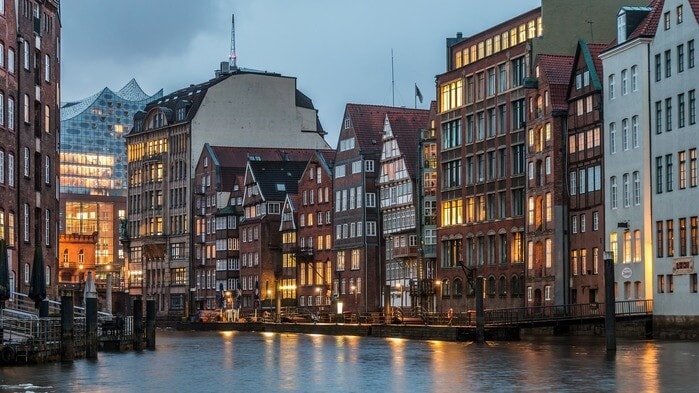
59. Hamburg is known as the “Venice of the North” – then again, so is Bruges.
60. The Reichstag Building is home to the German Bundestag, the most visited parliament in the world.

Read more about Germany
If you’re planning to travel to Germany, have a look at my posts about the country for inspiration and practical tips.
So, what do you think, did I miss any facts about Germany worth a spot on the list? I spent quite a bit of time researching these, but chocolate knows I might have overlooked something or gotten something wrong, so feel free to let me know if that’s the case! And of course, you’re also free to share if you liked this post :)
Don’t forget travel insurance
Plan for the best, prepare for the worst. Travel insurance has you covered in case (part of) your trip gets canceled, you get sick or hurt abroad, and sometimes even when your electronics break or get stolen. I always make sure I’m covered every trip I go on.
Don’t have travel insurance yet? Check out SafetyWing. They offer super flexible plans that you can even sign up for while you’re already on your trip. On top of that, they were the first travel insurance to cover COVID, and when I got COVID, they reimbursed all of my expenses without making a fuss. Their customer support team is great and I can personally recommend them.
PIN FOR LATER