 EN
EN
 Nederlands
 Français
When I was just a kid (no, not so long ago) my parents took my brother and me to the south of France. As my dad is a real Salvador Dalí fan, we did a day trip to the Dalí Museum in Figueres, Spain. Only, we didn’t.
When we got there it was blistering hot and there was such a long line of visitors that my parents didn’t want to wait out in the heat with us. It was a time when purchasing tickets online in advance still sounded futuristic.
A second attempt at visiting the Dalí Museum, Spain
So when my ex and I planned our own trip to the south of France I knew I had to save a day to head down to the Costa Brava in Spain for a bit of Dalí. We got to the Dalí museum 20 minutes before opening time and although there was already a line, it only took us five minutes to get in once the museum opened.
I must say I was immediately a bit disorientated. Arrows and numbers show you which direction to follow to visit all the rooms in the museum, but you start in a hallway around the round center square and of course, we didn’t see the arrows, so we started in the wrong direction.
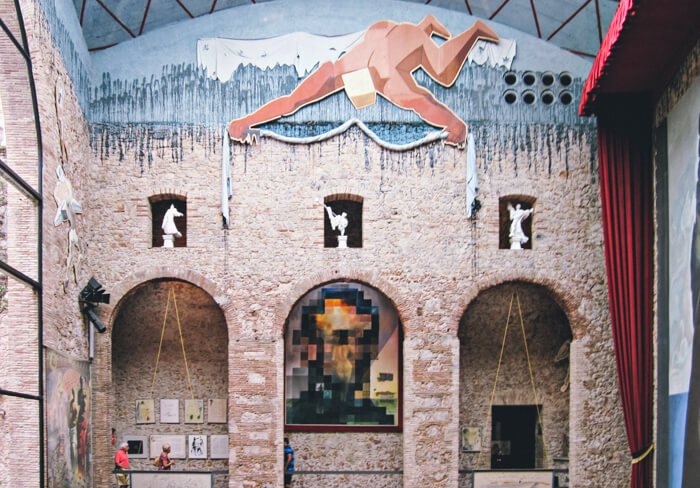
The museum is absolutely crammed full of art. There are around 1,500 works to discover, from sculptures to paintings to photography to holograms.
While it may at times feel a little chaotic and confusing, you can’t help but wonder if this was part of Dalí’s plan all along. Throughout the history of his life, he never offered an explanation for his crazy imagination, and walking around this museum, through the higgledy-piggledy labyrinth of paintings, drawings and installations feels a bit like having a personal tour around the artist’s wild and creative mind itself.
While most of the artist’s works at the museum were displayed in a clear way, a few were put in places where the lighting wasn’t ideal. For instance, when you’re in the upper levels of the museum most paintings are displayed in the hallway, but some are hanging in small niches which are really dark, sometimes making it hard for visitors to view the art.
Background info
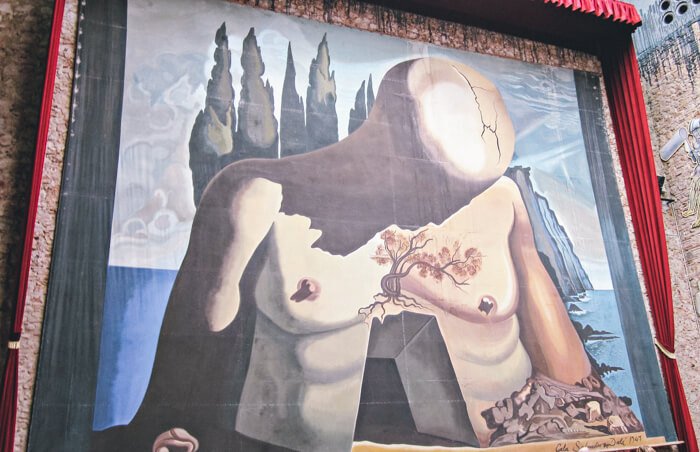
It all started back in the 60s when the mayor of Figueres in Spain asked Dalí to donate a piece of art to the town’s museum – him being one of the town’s most prestigious artists. The artist replied that he wouldn’t just give one piece, but an entire building. He wanted the museum to be built on the ruins of the former municipal theater of Figueres, with the space where the audience used to stand becoming an open-air courtyard. In 1974 this idea came to fruition; he created the Dalí Museum, Spain.
This Spanish building is part of a wider collection of work in several museums collectively called the Fundació Gala-Salvador Dalí that Dalí curated and managed with his muse, business partner and wife, Gala. Besides being an artist himself, Dalí (together with his wife Gala) also collected art and there are many different artists on display at the museum too, as well as plenty of new acquisitions.
On top of that Dalí requested that the second floor be dedicated to the work of his friend Antoni Pitxot, who became the director of the Dalí Theatre-Museum, and vice-president of the Gala-Salvador Dalí Foundation and other museums during the years after Dalí died.
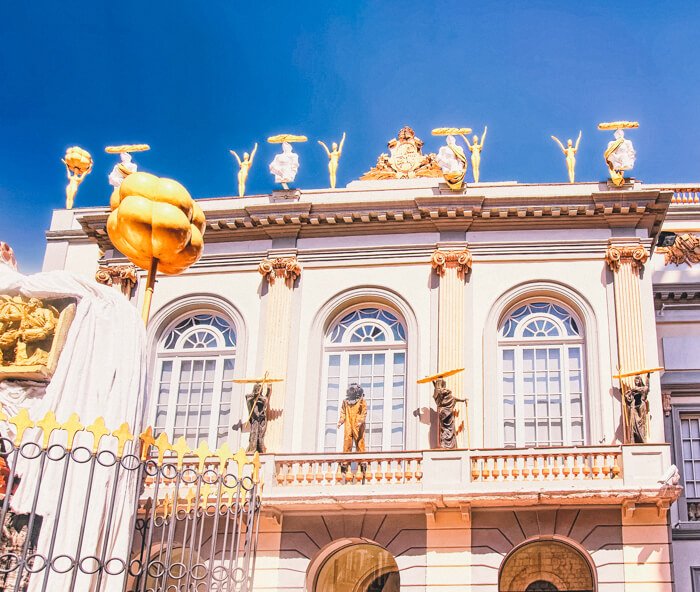
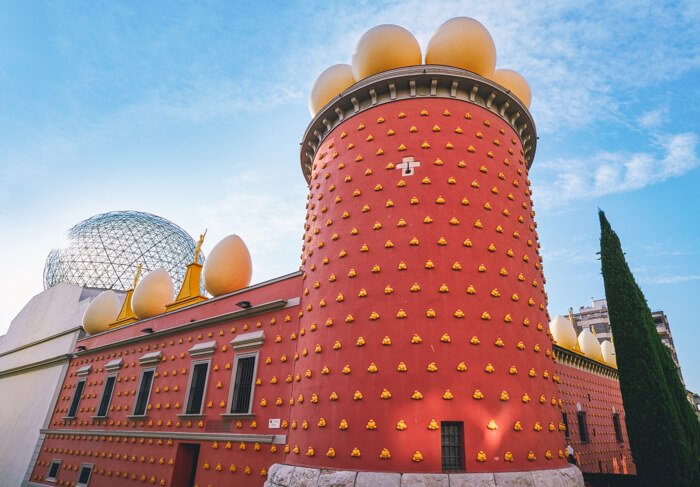
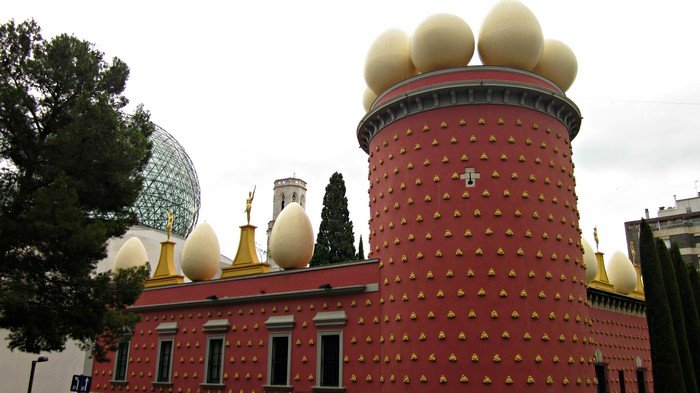
This famous place itself became what is now the largest surrealist object in not just Spain but the entire world. From the outside, it does look totally bizarre. The first thing you notice about the place are hundreds of giant eggs topping medieval castle-like walls, topped with a large dome.
The building’s walls are covered in artistic little dimples which, at a close glance, reveal themselves to be cast in the shape of thousands of loaves of bread. Together with the eggs and the bread-adorned walls, as you approach you may already start to feel like you’re in a dream. But the Salvador Dalí museum inside is just as weird and wonderful as the outside.
Another cool fact – did you know that Salvador Dalí’s last resting place is here? He is buried in a crypt below the building’s large emblematic dome, under the part that used to be the old theater’s former stage floor.
Mae West room
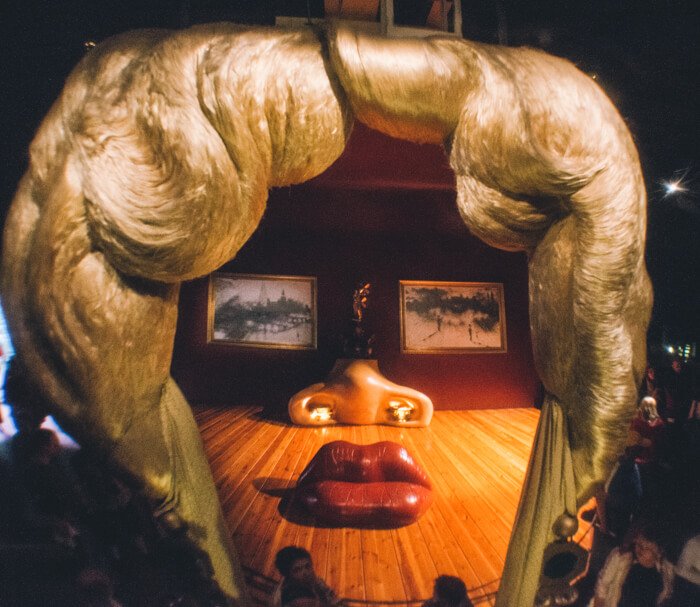
It’s no secret that Dalí had a bit of an obsession with Mae West – an American actress and global sex symbol. She featured in or inspired several of his paintings and pieces throughout his life, including his famous painting called The Face Of Mae West, and the iconic sofa in the shape of her lips, both designed in the 30s.
The Spanish artist’s museum dedicates another entire room to her – the Mae West Room, which is a sculptural installation based on these original works. It’s a typical example of surrealism – a room in the shape of Mae West’s face!
Salvador Dalí jewelry museum
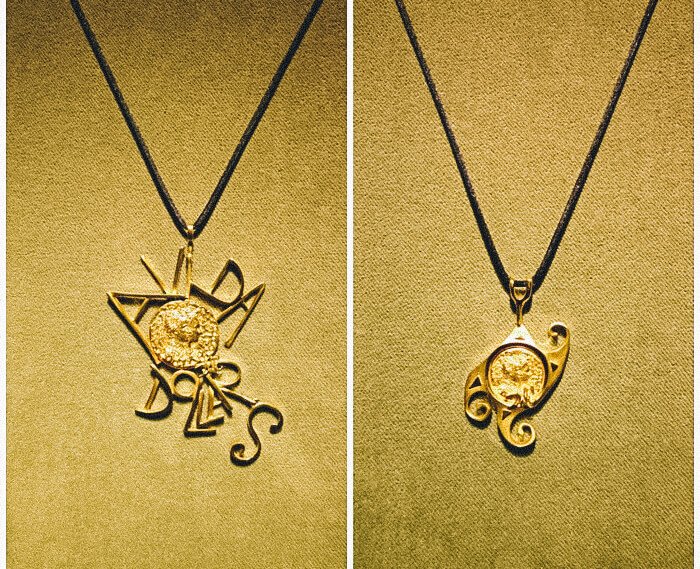
There’s also another exhibition including Salvador Dalí’s jewelry at the Dalí Theatre-Museum, which we attended as well. Besides 39 pieces of jewelry, there were also drawings, paintings, and works of art with the design of the jewelry displayed. And there was this cool mirror stairway:
Overall we spent about two hours at the Dalí Museum, Spain. It was amazing to see this huge collection on location in his home region whose culture and landscape were obviously a large source of personal inspiration for the artist’s works – the town of Figueres near Spain’s beautiful Costa Brava.
I’m glad that I’ve finally visited this legendary place, but was a bit disappointed at the time that we didn’t get to see any of his major works of art. My fault entirely though. If I had researched the contents of the collection there beforehand, I would have known.
Practical information
Getting there yourself
Address: Gala-Salvador Dalí Square, 5, Figueres
- By car: there’s an underground parking right around the corner, but it fills up quickly.
- By train: the museum is a 15-minute walk away from the train station.
- By bus: line Barcelona – Figueres, Line Perpignan – Figueres, bus Vilafant – Figueres or line Barcelona and Maresme Coast – Figueres
Please check the website for up to date information on admission prices and Dali Museum opening hours.
Going with a tour
There are several tours from Barcelona to Figueres and, specifically the Dalí museum.
This small group day tour takes you to the pretty coastal village of Cadaqués, lets you visit the Dalí Museum in Figueres and has you experience the Costa Brava landscapes that inspired the painter.
With this half-day tour, you take the high-speed train from Barcelona to Figueres where you get skip-the-line access to the Dalí Museum.
If you want the full experience, this tour offers just that. You’ll visit the museum but also the mausoleum and monument Dalí built for his wife in Púbol. Along the way, your guide will point out the landscapes that inspired the work of Dalí.
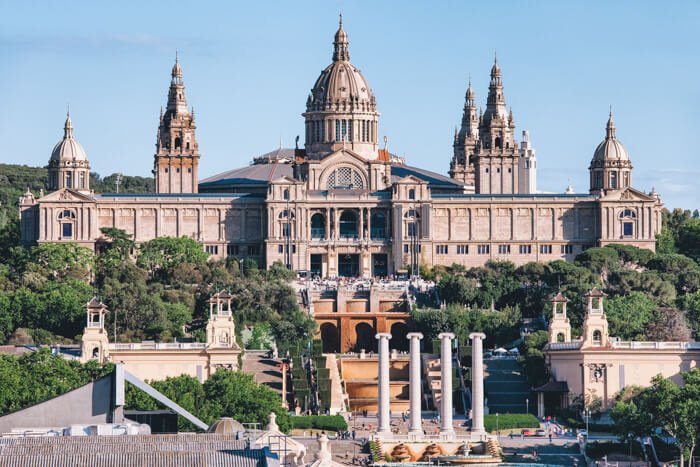
Tip: you can also see works by Dalí on display at the Museu Nacional d’Art de Catalunya on Montjuic in Barcelona.
Pin for later
We received to complimentary entrance tickets to the Dalí Museum, Spain, but you can be sure that I’ll always give you my honest opinion on everything I write about.