 EN
EN
 Nederlands
 Français
Europe isn’t the cheapest place to travel to and while Belgium isn’t as expensive as the UK, for example, it isn’t exactly a budget destination either. But what’s the cost of living in Belgium like? When you strip away the activities you do as a tourist or the sights you go visit, is Belgium expensive then?
I went over my monthly expenses to try and give you an idea of the cost of living in Belgium. Of course, this is all relative and your cost of living somewhere highly depends on your lifestyle. I don’t eat out a lot, for example, but I do live in one of the most expensive cities of Belgium when it comes to housing.
What I’m sharing here are my actual costs, but I also look at what those costs might be for someone with another lifestyle than mine.
1. Housing
We rent an apartment in Heverlee, which is just outside of Leuven. Our apartment is 108 m² big, but that also includes the garage and a little room in the basement. We have a balcony of about 10 m², a nice living room, a separate kitchen, a separate toilet, a bathroom with bath and shower combo and two bedrooms of which one is really just an office space.
Cost: €747.26 rent + €125 for hot water and heating
Curious about housing prices in other cities? In general, Flanders is more expensive than Wallonia and the center of Flanders is more expensive than the “sides” are. To get a good idea of housing prices, check Immoweb.be. They’re the biggest housing site in Belgium and you can find both rentals and places to buy in all of Belgium on there.
Electricity: €35.85
Internet and cable: we pay €50.73 for a combination pack with Internet (wireless + cable) and cable television. This is one of the cheapest packs there is, but of course you pay less for Internet alone.
Insurances: €271.94/year for things like theft and natural disasters and €94/year for a more general “household” insurance.
At the end of each rental year, we have to send through the meter stands of our hot water and heating. Those are added to other costs there were for the apartment that we as renters have to contribute to, which makes that at the end of the year we sometimes need to pay a little extra. It only happened once that we needed to pay less when we hadn’t used as much hot water and heating as the year before.
2. Cellphone
I’m on a prepaid plan and I charge as I go. Some months, when I’m not traveling a lot or don’t make a lot of calls, I’ll only spend €15. Other months it can be around €50.
I used to have a post-paid plan but I found that I didn’t always use up what I paid monthly. There are tons of different pre- and post-paid plans by several providers (although the big providers tend to offer kind of the same packages), so it all depends on your usage.
3. Car
Insurance: €720/year. I have about the least inclusive insurance there is as my car is 14 years old. The stronger the engine, the more your insurance will cost.
Roadside assistance: €9.5/month
Gas: I own a small, old car. The tank can contain 35 liters and with 7l/100 km it isn’t the most economical vehicle, but I love it and I’ll drive it until it dies. It rides on gasoline and it costs me €45 – €50 to fill it up.
How many times I need to do this each month again depends on how much I’m traveling and on how many things I’m visiting in the country. Gasoline is a tad more expensive here than diesel, although the difference has been leveled out mostly the last couple of years.
4. Groceries
Once a week we go to Colruyt, which is the cheapest supermarket chain in Belgium. We always try to buy food for an entire week and usually we succeed, although we sometimes also have to buy some additional stuff (like bread) during the week.
Our shopping expenses add up to about €300 – €400/month (so that’s for two people), depending on whether we need some more expensive things like waste bags (these can cost €20 for a roll here as you need special ones sold by the city).
We never buy water as tap water is perfectly drinkable here and we buy the “white product” (the cheap, generic version) of almost everything. We do buy real Cola and Nutella.
We rarely eat out, so our grocery costs account for most of our meal costs.
5. Having drinks and eating out
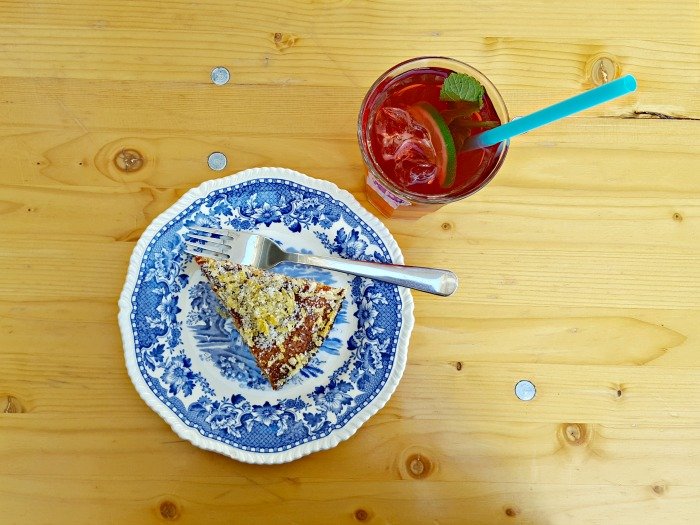
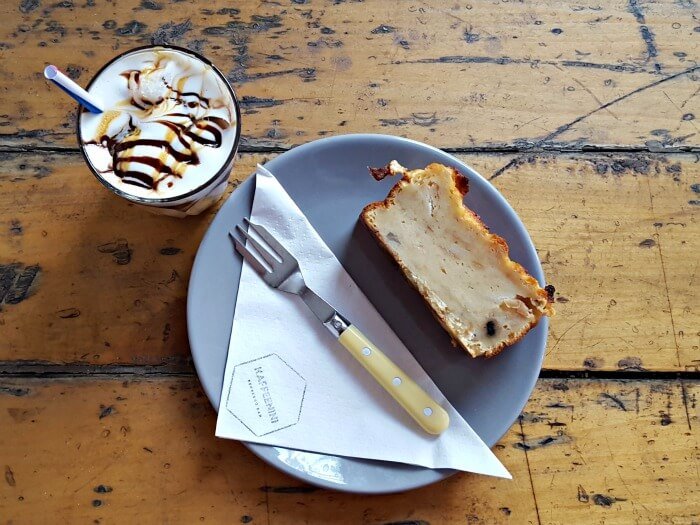
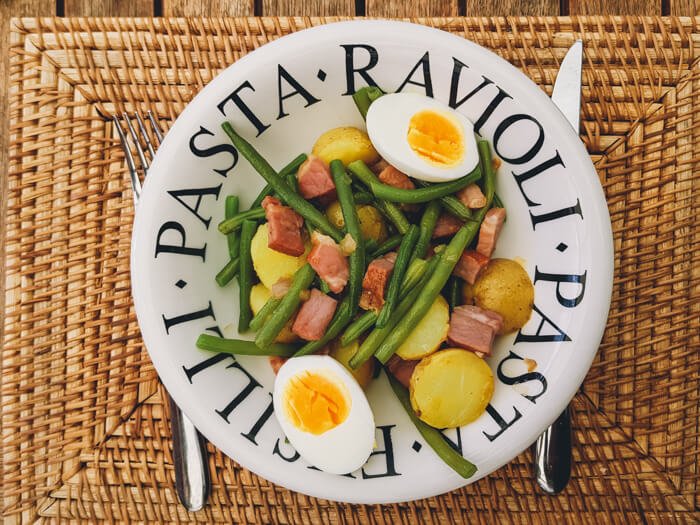
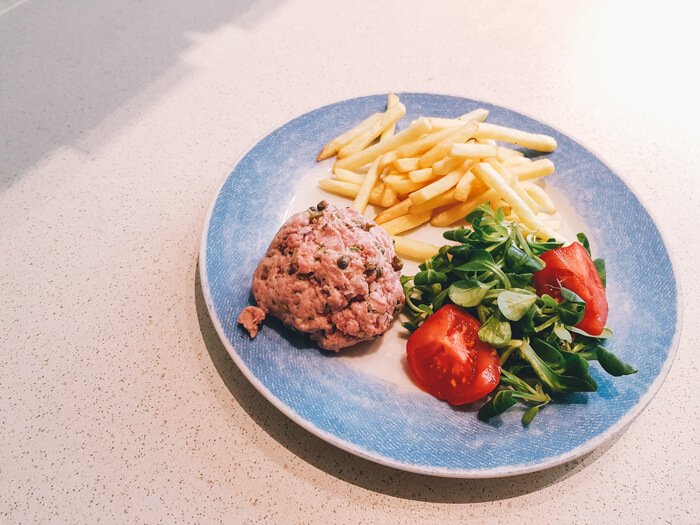
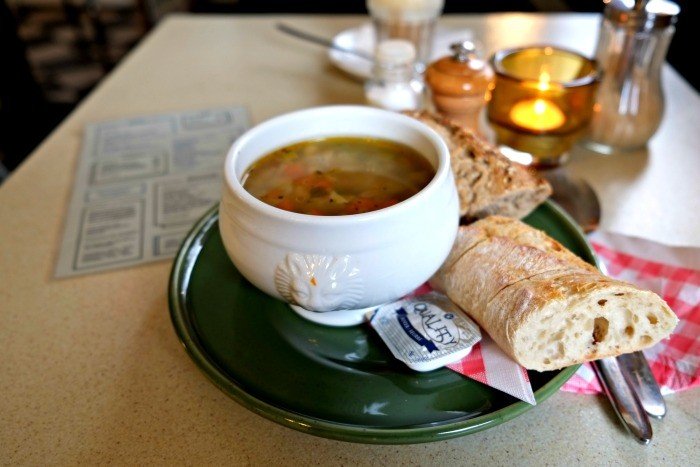
If you do like eating out, there’s a wide range of options. In most casual places you’ll get a proper meal for €14 – €22 depending on what you order (pasta is cheaper, meat and fish more expensive). Restaurants focused on dining tend to be a little more expensive and of course you can also go for “haute cuisine” and a multiple course meal with adjusted wines and pay at least €80 – €120 per person.
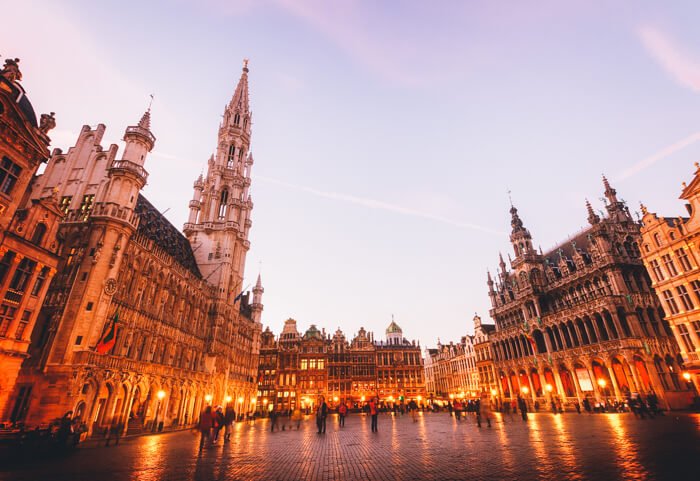
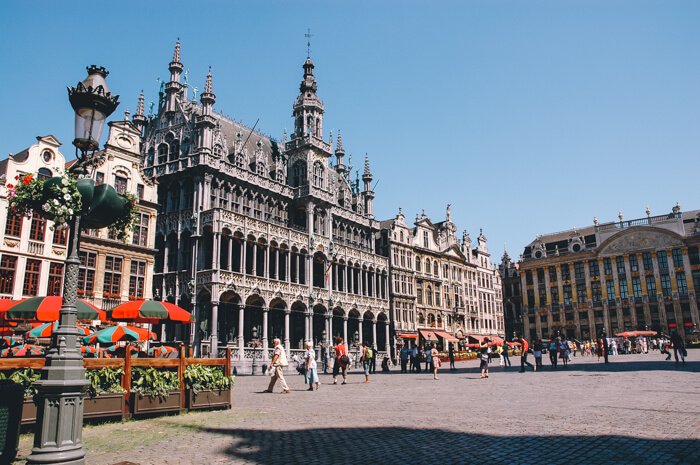
A regular beer in a not too touristy spot will set you back €2 – €2.2, but you’ll never pay just that on Brussels’ Grand Place, for example. The price for a soft drink is about the same, coffee and tea are usually a bit more expensive, as are the special beers.
You can get a sandwich for around €3.5, while a packet of fries will set you back around €3, depending on what size you want.
6. Sports
I take dance classes several times a week. Each sport or hobby has its price tag, but in general you could say that sports clubs who target children and are only open during the school year are cheaper than those who target adults. A single dance class in Brussels quickly costs €12/hour. I now pay €64 for 8 classes, which I can choose to take whenever I want in the course of 2 months. When I was dancing a lot (about 5 hours a week), I bought a “full-access” pass that would allow me to take all the classes I wanted for the duration of a month and that cost me €118. I think in general you could say that taking an adult group class somewhere will cost you between €8 and €12.
Other sports clubs – usually the ones who work per school year – make you pay per (school) year or per half year. The prices at these kinds of clubs are usually lower.
7. Clothes
As in most Western destinations, you can go as crazy with clothes as you want. You can go shopping in thrift stores, H&M or at exclusive boutiques. I used to be a very avid shopper until I discovered travel. Now I only go shopping about four times a year, usually twice when it’s sales time (January and July) and then maybe once abroad and some other time with moms. I rarely spend a lot of money on clothes, except when I’m buying shoes as I find it important to have something decent on my feet. My last purchases, however, were all Nike’s and the price for those is much higher than in the US, but then again it’s like that in all of Europe.
If you want to find really cheap (European standard) clothes, head to second-hand markets or the Rue de Brabant in Brussels.
8. Entertainment
Ah, entertainment. This includes going to the movies, eating out, going to museums, visiting a theme park… Just as with clothes, you can spend as much or as little on this as you want. There’s plenty of stuff in Belgium that you can do for free, especially if you like being outdoors.
A museum visit will likely set you back between €5 and €12, while clubs charge around €10 entrance fee. In many cities, there are also bars when you can dance the night away and where you just have to pay for your drinks.
Going to the movies will cost about €10 for your ticket, but drinks and snacks can be expensive and some movie chains charge extra when the movie is longer than average or when you go see a 3D film.
9. Public transportation
Both the bus companies and the NMBS (National Railroad Company) have different formulas where you can get a pass for a specific route and a specific period of time or a card with several rides on it that you can use freely between several cities and towns.
I have a 10-ride card for the bus which has cost me €17. When I take the train, I pay per ride. A return ticket from Leuven to Brussels costs me €10.60. Good to know is that train rides are half the price from Friday evening until Sunday included.
10. Medicine
To be honest, I rarely buy medicine abroad so I’m not able to say whether they’re cheap or expensive in Belgium. What you need to know when you live here, is that you need to be a member of a “mutualiteit”, a health fund, something for which you pay a rather low annual fee and then when you are sick, a large portion of your doctor’s visits and sometimes even a portion of your medicine cost is paid back by that fund.
The total
Because I travel so much now it’s really hard for me to say what my average monthly cost of living in Belgium is, but in general I’d say it’s around €1,000, not counting travel costs. Living with Boyfriend, I also don’t carry the costs alone, so your situation might be different. However, I hope the costs discussed above give you a fairly good idea of how much you’d need to live comfortably here.
Is there anything I forgot to mention? Anything you’d like more details on? Let me know, and I’ll add it!
![Dates of Holidays in Belgium 2024 [Annually updated] 1](https://www.wonderfulwanderings.com/wp-content/uploads/2015/11/holidays-in-belgium.png)