Here you’ll find all the Croatia blogs on Wonderful Wanderings.
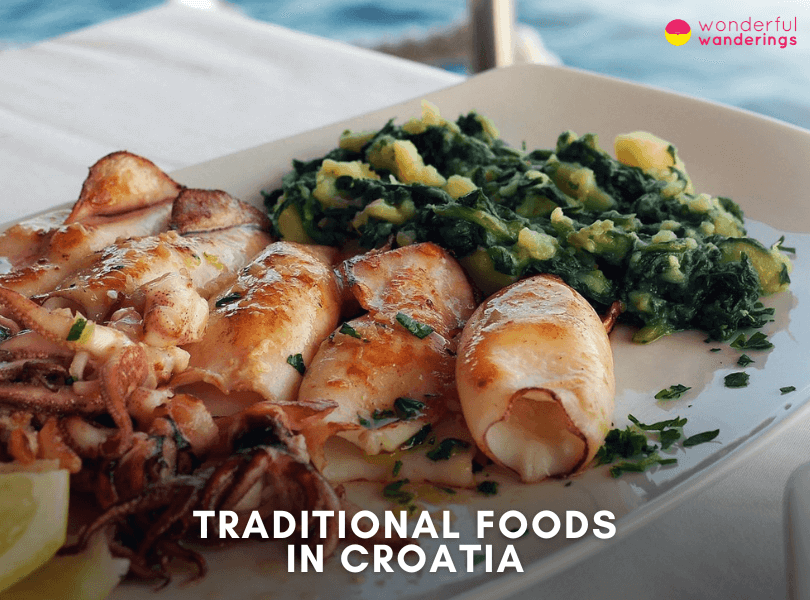
24 Traditional Croatian Food and Where to Eat Them in Zagreb
Croatia is between central Europe and the Mediterranean. The capital and largest city is Zagreb, an inland continental area with paprika-spiced dishes like štrukli dumplings reflecting Hungarian/Austrian rule. This blend of climatic influences leads to a fusion of continental and coastal cuisine. Inland areas see heartier, meat-based dishes suited to the colder climate and forests, like game goulash and roasted meats. Mild Mediterranean coastal regions utilize abundant seafood, olive oil and herbs like rosemary. Croatia's rugged terrain enables sheep farming and cheese production. Fertile lowlands supply vegetables and paprika and the bora wind helps dry pršut ham.
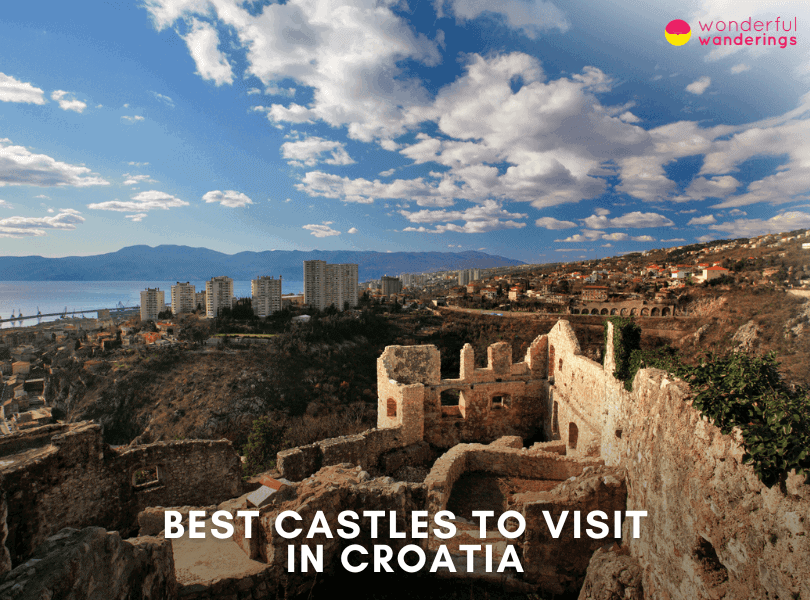
16 Best Castles to Visit in Croatia
Croatia has medieval castles that offer glimpses into its complex past and the nobility’s privileged lifestyles. The city features Trakošćan Castle, a 13th-century fortress renovated into…
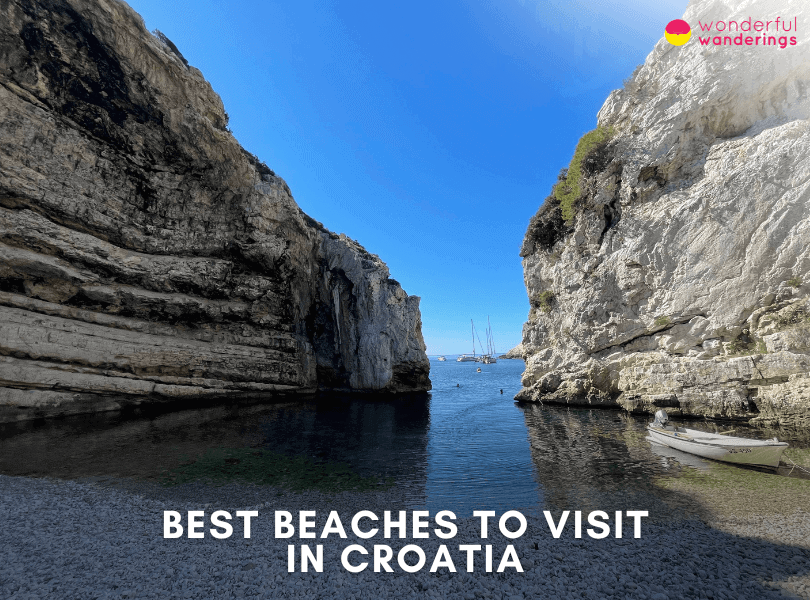
18 Best Beaches to Visit in Croatia
Croatia features beaches along its Adriatic Sea coastline and islands, ranging from isolated pebble coves to sandy beaches. Zlatni Rat Beach on the island of Brač features golden pebbles and an iconic horn shape-shifting with winds and currents. Its smooth pebbles, beachfront cafés, water sports rentals and natural beauty attract tourists and locals. Sakarun Beach on Dugi Otok island earns the name “Croatian Caribbean” with its 800 meters (0.49 miles) white sand bay and calm waters surrounded by pine forests. Banje Beach uniquely blends Croatian culture and the history of Dubrovnik with an active party scene focused around the Banje Beach Club, which hosts events and concerts. Zrće Beach on Pag Island is called the “Croatian Ibiza” for its summer beach clubs like Papaya and Aquarius, hosting famous DJs and nonstop parties day and night centered around dancing and water sports. Nin Beach, also called Queen’s Beach, spans over 3 kilometers (1.8 miles) with warm shallow waters and sandy sea floors perfect for families, with amenities, shops and restaurants in the nearby historic town of Nin.
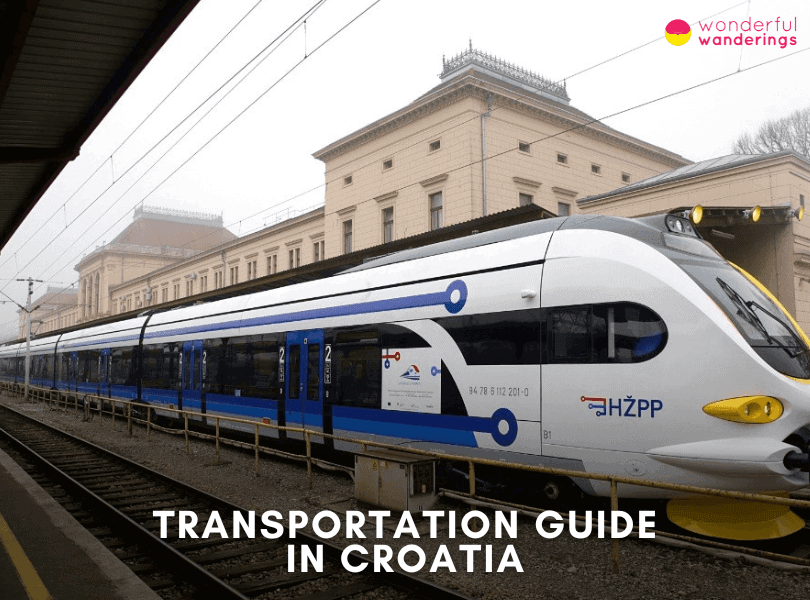
Croatia Transportation Guide: Which Transportation Option Is Best for You?
Croatia is in Southeastern Europe, bordering Slovenia to the northwest, Hungary to the northeast, Serbia to the east and Bosnia, Herzegovina and Montenegro to the southeast.…
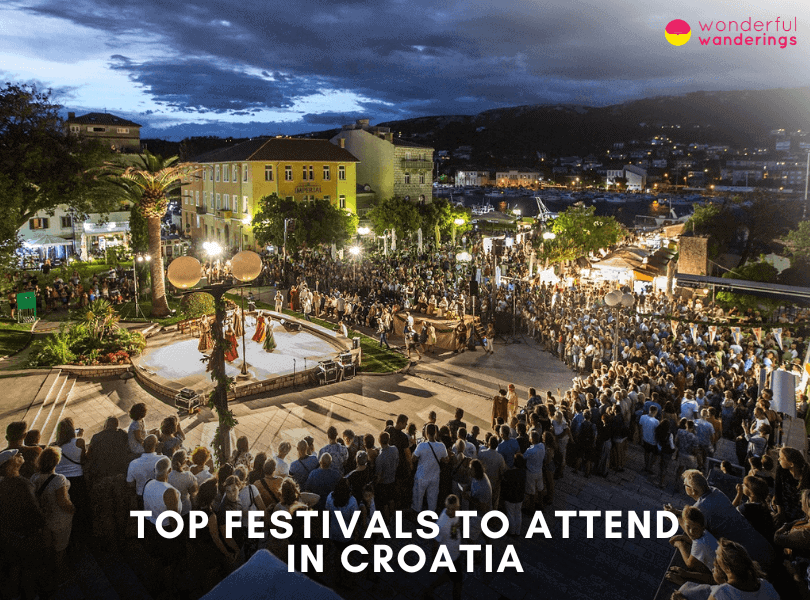
18 Top Festivals to Attend in Croatia for 2024
Croatia has an active festival scene that features the Adriatic coastline and medieval cities to host events spanning music, culture, food and fairs. One of the key festivals to attend in Croatia is Ultra Europe (July 12 to 14, 2024), a 3-day electronic dance music event in Split expected to draw over 140,000 attendees. The Sonus Festival (August 18 to 22, 2024) also showcases house and techno DJs to 25,000 electronic music fans on Zrće Beach. Dimensions Festival (August 28 to September 1, 2024) takes place in the scenic town of Tisno. Those seeking arts and culture can attend the Dubrovnik Summer Festival (July 10 to August 25, 2024) to see classical concerts and theater productions staged across Dubrovnik's historic landmarks. The Siege of Sinj 1715 Reenactment (August 15, 2024) brings to life the 1715 battle that saw Sinj against a massive Ottoman invasion through realistically staged fights with hundreds of reenactors in period costumes and weaponry. The festival to attend in Croatia for 2024 promises another stellar lineup of celebrations to enjoy.
Prices in Croatia: Is Croatia Expensive?
Croatia is an expensive destination due to surging popularity in coastal cities like Dubrovnik and Split, increasing prices for lodging, dining, attractions and goods. Prices also…
Driving in Croatia: Road Safety, Driving Etiquette and How to Rent a Car
Croatia is in Southeastern Europe, bordering the Adriatic Sea and requires careful driving to navigate its roads and highways safely. Road safety tips in Croatia include…
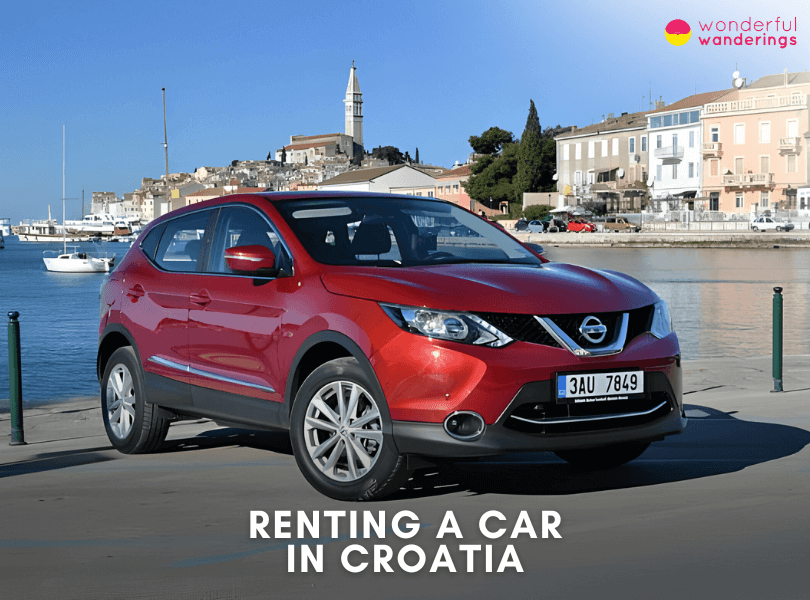
Renting a Car in Croatia: 34 Important Tips (2024)
Croatia is a Mediterranean country in southeastern Europe, known for its Adriatic coastline with over a thousand islands. Road safety tips when driving in Croatia include…
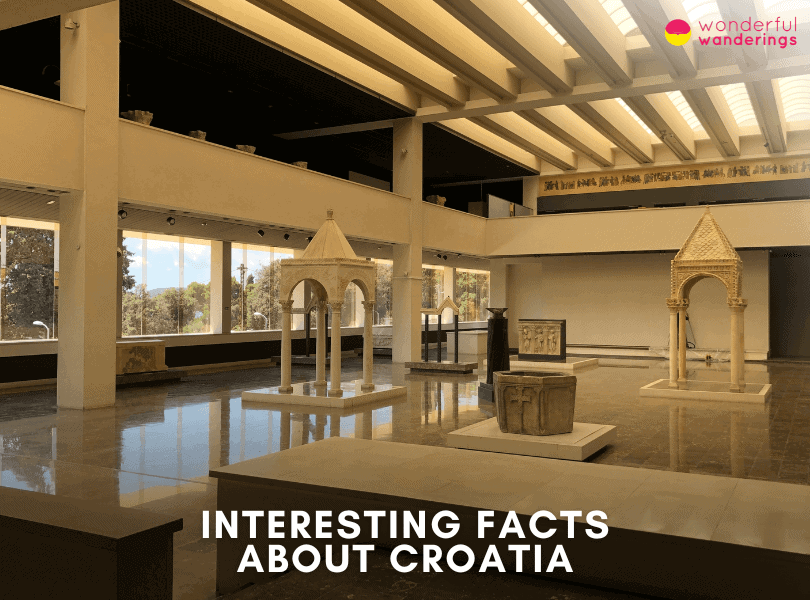
20 Interesting Facts About Croatia
Croatia is in Southeastern Europe, with over 1,300 islands along its coastline, high biodiversity and popular tourist destinations. Croatia has extensive protected natural areas, including eight…
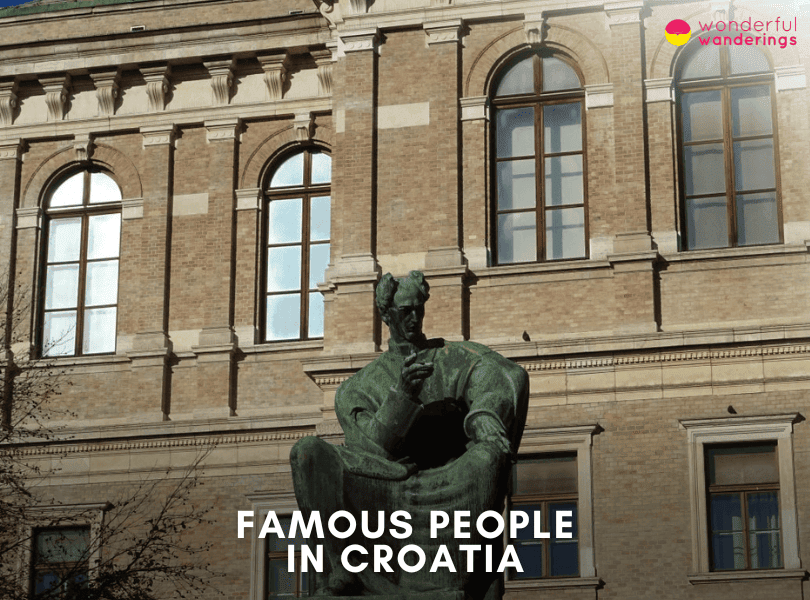
32 Most Famous Croatians: Artists, Chefs and Scientists!
Croatia is a country with a rich cultural legacy across various fields. Numerous notable Croatian artists, chefs, scientists and other luminaries have made valuable contributions that have had global impacts over the years. Croatia has been inhabited for over 8,000 years and has a rich cultural history spanning the ancient Greeks, Venetians, Ottomans and Austro-Hungarians. Key historical destinations include the medieval walled city of Dubrovnik and Europe's oldest continuously inhabited town, Vinkovci.
![Dates of Holidays in Croatia 2024 [Annually updated] 11](https://www.wonderfulwanderings.com/wp-content/uploads/2024/01/Croatia-Holiday-Dates.png)
Dates of Holidays in Croatia 2024 [Annually updated]
Croatia is on the Balkan Peninsula next to the Adriatic Sea, with over 1,246 islands. Major holidays like Christmas, Easter, Statehood Day and Corpus Christi are…
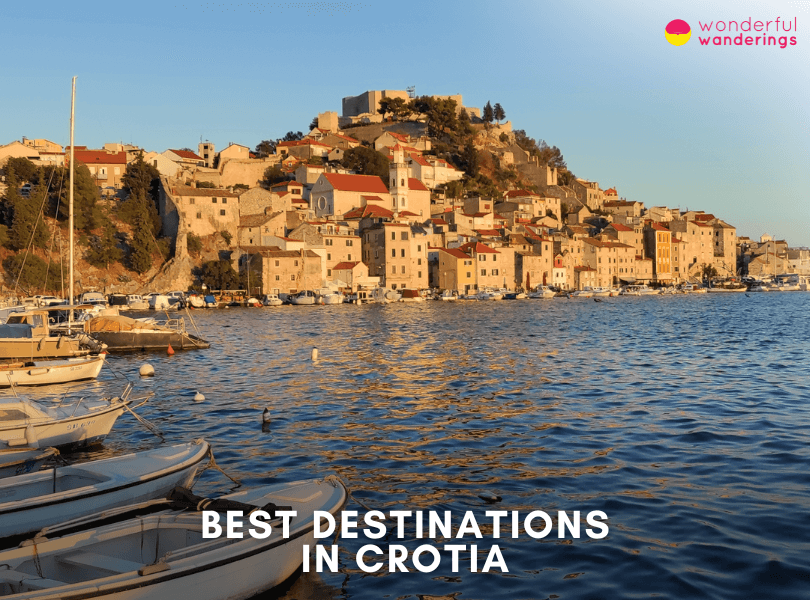
18 Amazing Destinations to visit in Croatia all year round!
Croatia is a country located in central and southeastern Europe. The country's capital and largest city is Zagreb, a prominent political, economic, cultural and scientific center. Croatia is a member of the European Union, the United Nations and NATO. The official language is Croatian and the currency is the Croatian kuna. The country has a well-developed infrastructure, with good road and rail connections to most major European cities.
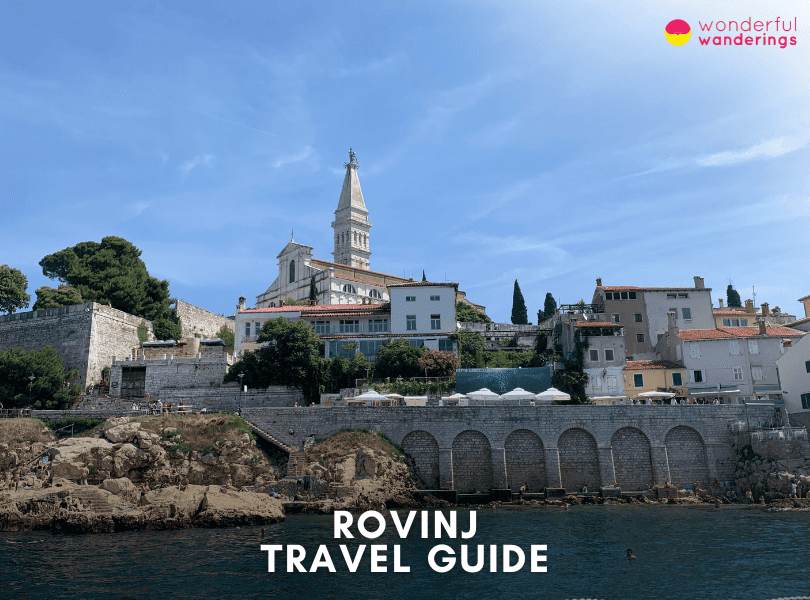
Rovinj Travel Guide: 20 Things to do in Rovinj, Museums and History
Rovinj is a coastal town on Croatia's Western Coast of the Istrian peninsula. It is one of the most popular tourist destinations in Croatia due to its well-preserved, old town and scenic location along the Adriatic Sea. Rovinj's old town features medieval, Renaissance and Baroque architecture that reflects various rulers throughout history. Rovinj has a total population of 12,968 residents. This population breakdown shows that 11,629 residents live in the city proper, with the remainder in the outlying area of Rovinjsko Selo.
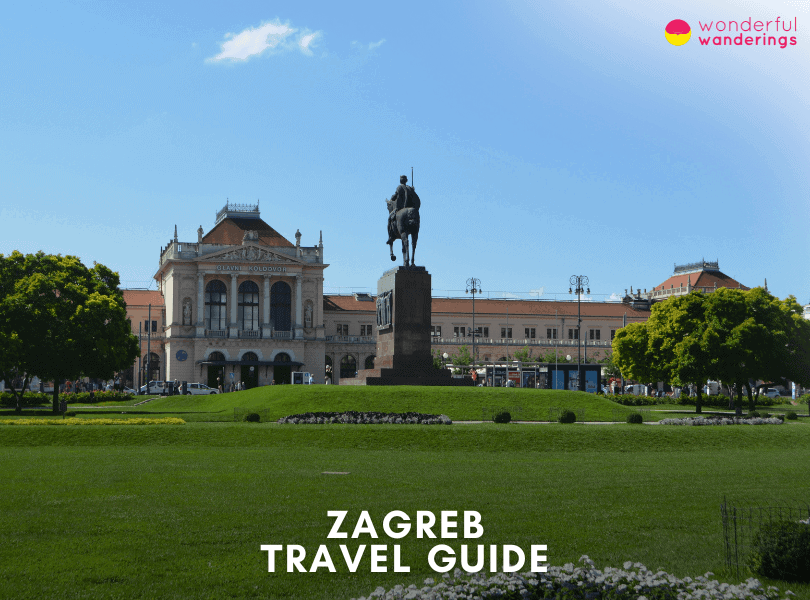
Zagreb Travel Guide: 20 Things to do in Zagreb, Museums & History
Zagreb is Croatia's capital and largest city, serving as the nation's center of politics, economy, culture, arts, sports, science and education. Zagreb’s history can be traced back to 1094 when the Zagreb diocese was founded. The city developed from two medieval towns, Gradec and Kaptol, that unified in 1850. Zagreb experienced rapid growth and became Croatia’s urban city. The city is composed of 767,131 residents. Zagreb features a museum and gallery scene, such as the Museum of Broken Relationships, which displays anonymous personal mementos from failed love relationships. Visitors can explore street art murals concentrated in several areas. The city features exhibits on local history and science. Zagreb transforms into a lively Christmas wonderland during Advent from December to January.
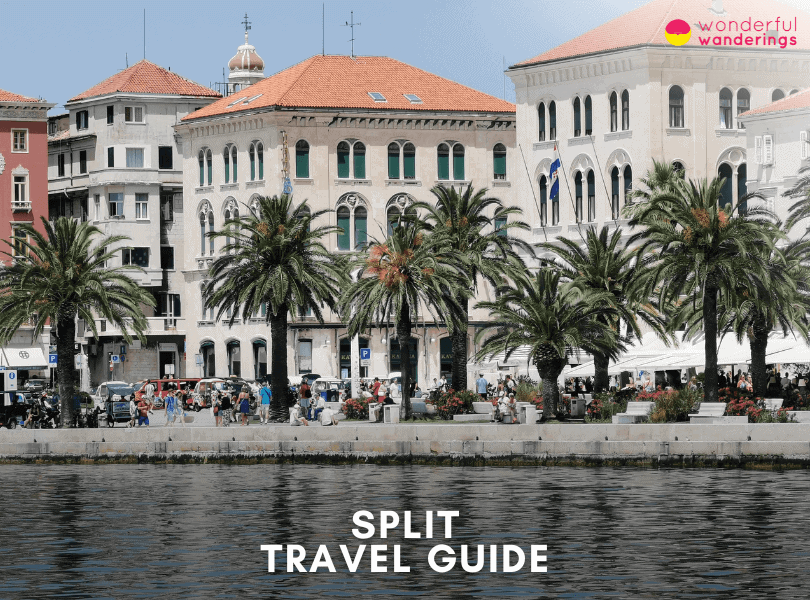
Split Travel Guide: 28 Top Things to do in Split, Museums & History
Split is a historic seaside city on Croatia's Dalmatian Coast, founded in the 3rd century BC. It developed within the 4th century Diocletian's Palace, built for the Roman emperor's retirement. This remarkably well-preserved palace forms the core of Split's Old Town, which has been designated a UNESCO World Heritage Site.
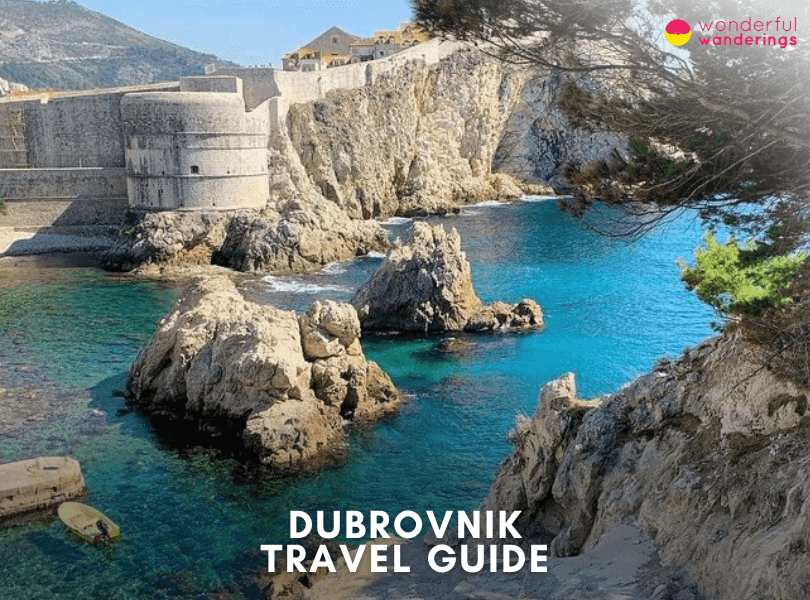
Dubrovnik Travel Guide: 17 Things to do in Dubrovnik, Museums & History
Dubrovnik is a medieval walled city located on Croatia's Dalmatian Coast overlooking the Adriatic Sea. Dubrovnik serves as an important coastal city and seaport. Its old town is a UNESCO site with well preserved Gothic, Renaissance and Baroque architecture.
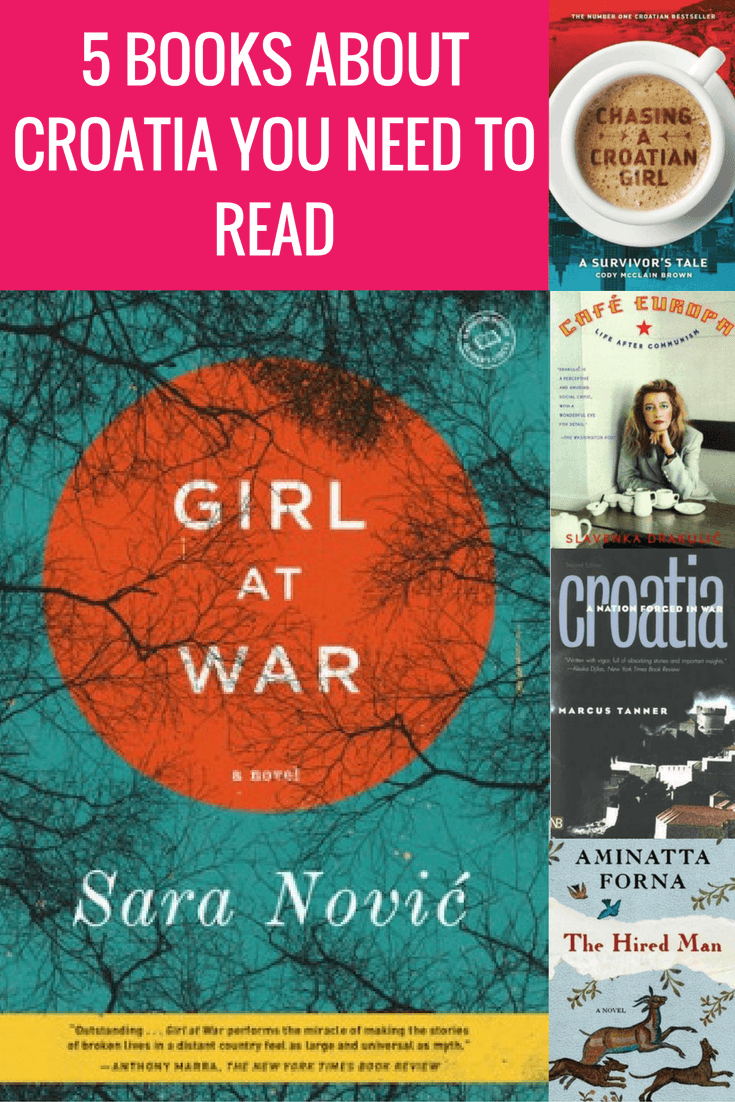
5 books about Croatia you have to read before your trip
These fiction and non-fiction books about Croatia shed light on the country's history and culture. They're perfect reads when preparing for your trip or when you simply want to know more about the country. Which one will you pick?
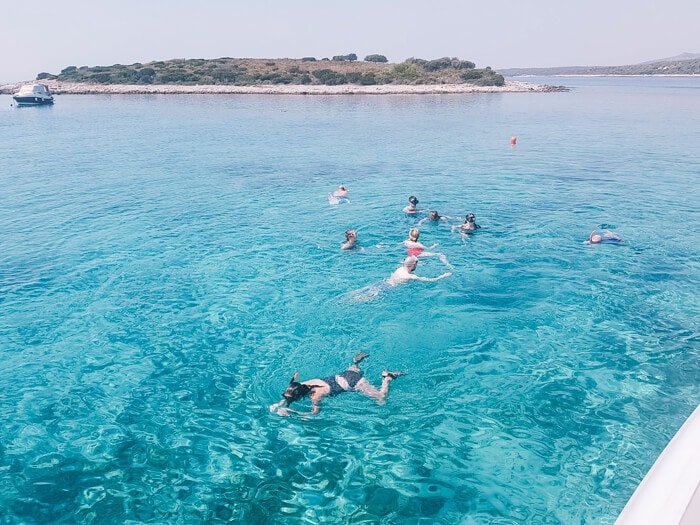
How to go on a fun Blue Cave tour from Split, Croatia
The Blue Cave in Croatia is often hailed as one of the country’s most beautiful natural wonders. Situated on Bisevo island, this magical grotto glows with…

 EN
EN
 Nederlands
 Français