 EN
EN
 Nederlands
 Français
When I visited Bulgaria, I did it with my friend Amanda and Anita, an ex-colleague of my dad. Anita’s Bulgarian and loves her country so much that she wanted me to experience it. But not only the country, also the Bulgarian people.
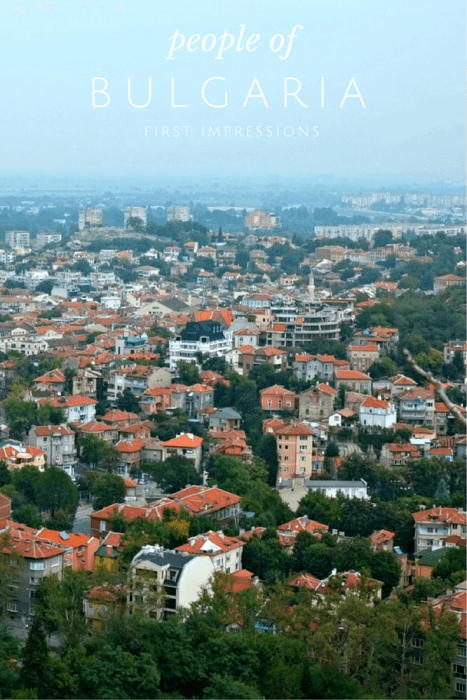
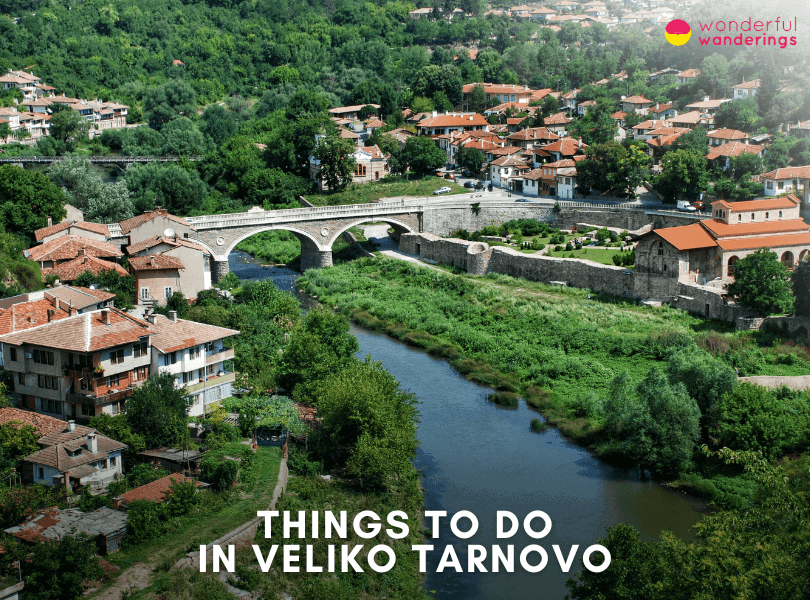
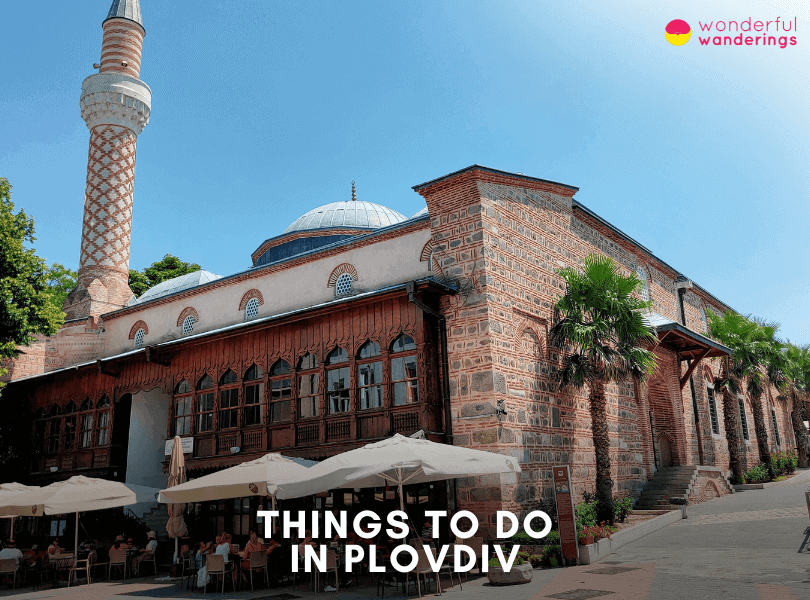
Now, Bulgaria is quite a bit bigger than Belgium and, of course, the eight days I had weren’t nearly enough to see it all, but I did see a lot. We drove from the capital Sofia to Veliko Tarnovo (where the Bulgarian independence was declared in 1908), Bozhentsi, Nessebar, and Plovdiv.
It was the first time I properly visited an ex-communist country and I’m so happy I got to do it with a local. Anita is a former history teacher and she’d actually studied up to be able to tell us as much as she could. I wish I could share everything with you, but I must admit it was impossible to remember it all without constantly taking notes. I actually wish I’d recorded Anita’s stories!
But that doesn’t change the fact that Bulgaria has left a big impression on me. When you walk through the streets, it feels like a European country and yet at the same time so different from the Western European countries I’m used to traveling in. I will tell you more in detail about our road trip later but until then, I’d like to share one thing that intrigued me and still does.
The people of Bulgaria
Why are Bulgarians so unhappy? Or aren’t they…
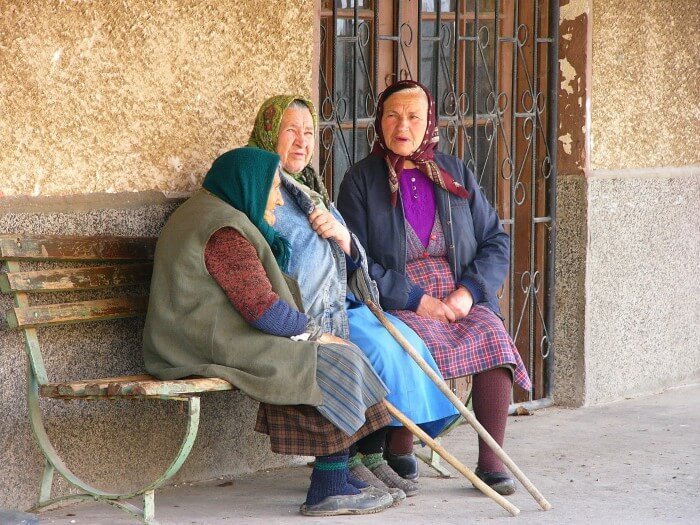
“The people are so nice!” is something you often read when someone had a positive experience in a country. Well, I found it very hard to decide whether the Bulgarian people were nice or not. Not because they were rude, not at all, but because people in Bulgaria don’t often smile in public. And as I don’t speak Bulgarian, I depended on my interpretation of people’s body language and facial expressions until Anita could translate for me.
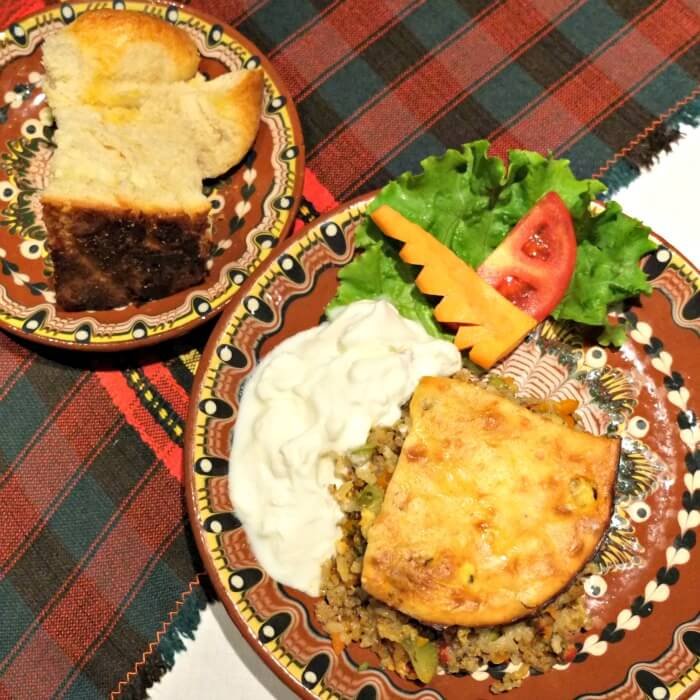
I remember we sat down for a bulgarian lunch one day and a lady came to take our order. Anita discussed with her what we would have and the lady didn’t smile even once. When she went back inside, I said: “Wow, she didn’t seem friendly at all”. To my surprise, Anita told me she had actually been very friendly but that she just hadn’t smiled and that this is pretty normal in Bulgaria.
I should have known better, as on our first day in the country Anita had explained to us that it’s not common for a Bulgarian person to smile at someone they don’t know in public – just one of those interesting facts about Bulgaria.
In Belgium, it’s considered polite to lift the corners of your mouth when you pass someone on the street and happen to look them in the eye, or when you talk to possible customers. Not so in Bulgaria. People who do walk around with a smile on their face are thought of as being a bit simple, which is probably why I kept getting strange looks.
It seems to depend a bit on the situation, though, as in hotels we were often received with a smile. Also, when we found people who spoke English (Bulgarians had to learn Russian as a second language for a long time), they were always very helpful – but were they smiling? I don’t remember.
If you don’t want to be surprised by this different way of socially behaving, it might be best to read up on Bulgarian culture. before your trip.
People from Bulgaria can dance!
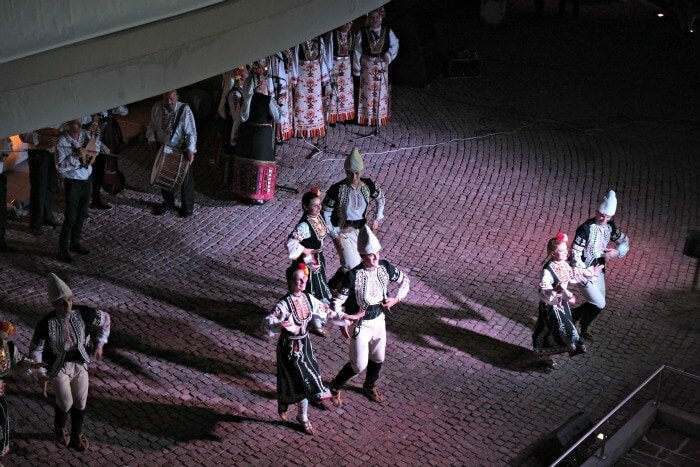
You know when everyone was smiling? When they were dancing and singing. We were so lucky to visit Plovdiv while there was a cultural festival on. First, we found people doing the national horo dance in a park. It’s a circle dance focused on leg movement. I love dancing, but I was too shy to jump in until Anita (thank you, Anita!) made me.
It was incredible!
We were 30 people or so who didn’t know each other, holding hands and dancing around. Everyone was smiling and it immediately reminded me how I love moving to music. Now that I travel frequently, I don’t take dance classes as often anymore as I used to and when I then get the opportunity to participate in a traditional dance abroad… wow. Simply amazing.
A bit further from the horo dancing were groups of children giving dance demonstrations. They were clearly all members of a dance school and although the quality of their dancing wasn’t that great, you could tell that nobody cared. Everyone was just watching the kids having fun and wiggling along with them. Again, everyone was smiling.
But I think the biggest smiles I saw that day were on the faces of the semi-professional horo dancers we saw on our way back to the apartment. We had no idea there would be a performance and it turned out to be the highlight of my trip. For over an hour, we stood there and watched the dancers perform horo dances from different Bulgarian regions, dressed in the traditional outfits of that region and being guided by singers and musicians.
The dances they performed weren’t always easy, with a lot of tempo changes and a whole lot of jumping. But the joy on their faces nearly brought me to tears.
These were people passionate about what they were doing, enjoying what they were doing and proud to share their art with anyone who wanted to watch. I felt so happy that I’d joined the dance in the park just an hour or two before and briefly participated in such a wonderful tradition. I hope to go back someday, learn the dances and kick ass
Greetings
Regardless of the smiling, there’s something else about Bulgarians who meet each other. It’s something Anita told me about but that I, unfortunately, couldn’t verify for myself as I don’t speak the language. She told me that it’s considered polite to complain a bit when greeting someone.
In Belgium, and in most cultures I’m acquainted with, you’re supposed to say “Good” when someone you don’t know that well asks you how it’s going, and then move on with the conversation. Anita told me that in Bulgaria, it’s a sign of intimacy and letting a person into your life when you complain a little when they ask you that question. Deep sorrows and troubles are still kept for a close circle of friends and family, but when a colleague or acquaintance asks you how you are doing, you best tell them that you’re okay, but that you have a slight headache.
I’d love to do an experiment and see if this is indeed common practice, but until I know Bulgarian, I’ll have to settle for some crowdsourcing. So tell me: do you know any Bulgarians who still live there? Do they smile a lot? Or are you Bulgarian and can you tell me whether it’s true about the greeting acquaintances? I’d love to know!
How to travel to Bulgaria
We flew from directly from Brussels Airport to Sophia. If you’re planning to visit Bulgaria from abroad, you’ll must likely fly to Sophie as well.
Check Skyscanner for a good overview of flight options.
While we were in Bulgaria, we used Anita’s car to go on our road trip. If you don’t have a local to travel with and want to see a lot of the country, getting a rental car is a good idea.
RentalCars.com compares more than 900 rental companies to make sure you get the best deal possible.
Pin for later